Which Car Brands Are Most Reliable? New 2025 Rankings from Consumer Reports
Which Car Brands Can You Trust? An Easy‑to‑Read Guide to Reliability
Buying a new vehicle is a big investment. With average prices climbing above $48,000 and inflation adding even more uncertainty, choosing a model that won’t spend lots of time in the shop is more important than ever. Consumer Reports surveys hundreds of thousands of owners each year to find out which vehicles are holding up well and which ones are causing headaches. We’ve studied the latest Consumer Reports reliability data and distilled the most useful insights to help you shop smarter.
How Consumer Reports Measures Reliability
Each year, Consumer Reports asks its members about problems they’ve had with their vehicles in the last 12 months. The survey covers 20 trouble areas ranging from minor annoyances, like squeaky brakes or rattling trim, to costly failures of engines, transmissions and (for electrified cars) batteries and charging equipment. Scores are weighted by severity and combined into a predicted reliability score from 1–100. These scores feed into Consumer Reports’ overall vehicle ratings along with owner satisfaction, safety data and road‑test results.
Because data are collected across the 2000‑2024 model years (with a few early 2025 models), Consumer Reports can also compare brands and powertrains. The brand ranking uses the average reliability score of all tested models from 2022 to 2024, so it reflects current performance rather than a single model year.
Subaru Takes the Lead
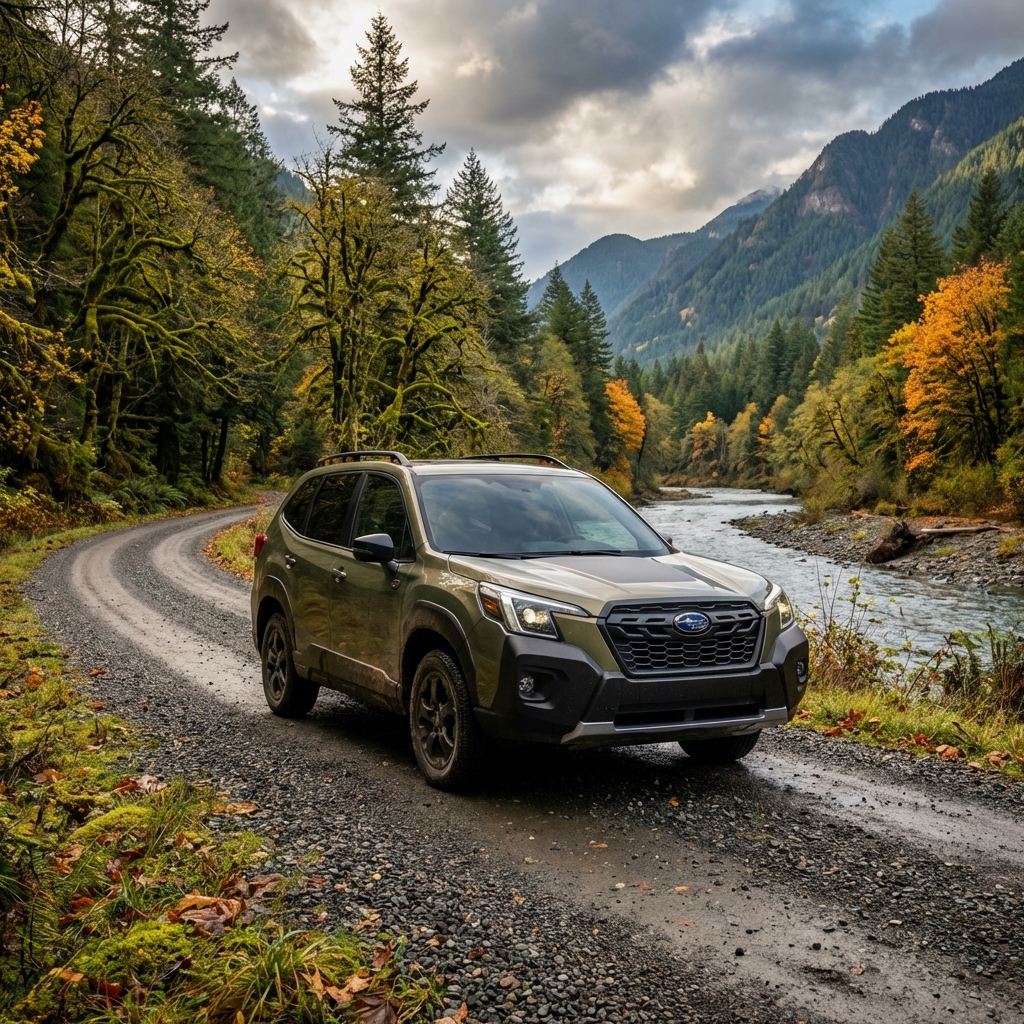
For many years Lexus and Toyota traded places at the top of Consumer Reports’ reliability rankings. In the latest survey, Subaru jumps ahead thanks to a lineup of dependable cars and SUVs. Models like the Forester and Impreza receive well‑above‑average ratings, while the Crosstrek, Legacy, Outback and Ascent perform at or above average. The brand’s only laggard is the Solterra electric crossover, which is closely related to the Toyota bZ4X and suffers similar early‑production issues.
Lexus and Toyota now hold the second and third spots but still score very well. Honda and its luxury division Acura round out the top five, with Acura ranking slightly ahead of Mazda because of very consistent model performance.
Top 10 Brands by Predicted Reliability
Here are the top ten brands and their average reliability scores:
- 1. Subaru (Score: 68) – Strong reliability across most models.
- 2. Lexus (Score: 65) – Luxury brand known for longevity.
- 3. Toyota (Score: 62) – Broad range of reliable cars and SUVs.
- 4. Honda (Score: 59) – Compact and midsize cars do well.
- 5. Acura (Score: 55) – Luxury branch of Honda.
- 6. Mazda (Score: 55) – Compact cars and crossovers shine.
- 7. Audi (Score: 54) – Top‑scoring European brand.
- 8. BMW (Score: 53) – Close behind Audi.
- 9. Kia (Score: 51) – Solid improvement in recent years.
- 10. Hyundai (Score: 50) – Affordable models show promise.
At the opposite end of the scale, GMC, Cadillac and Rivian record the lowest reliability scores, mostly because of ongoing issues with new model launches and complex technologies.
Regional and Vehicle‑Type Trends
Reliability isn’t just about individual brands—it also varies by where cars are built and the type of vehicle you choose:
- Asian brands lead the pack with an average score of 57. Eight of the top ten brands come from Japan or South Korea.
- European brands average 48, helped by strong showings from Audi and BMW.
- U.S. brands lag behind with an average of 38, though Buick comes in 11th overall.
When comparing body styles, cars (sedans, hatchbacks and wagons) remain the safest bet with an average reliability score of 60. Minivans follow closely at 57, while SUVs average 49. Pickup trucks are the least reliable group at 36, largely because of their complex drivetrains and heavy‑duty use.
Hybrids Lead Among Electrified Vehicles
Consumer Reports’ data show that hybrid powertrains have matured into a dependable option. On average, hybrids have similar or slightly fewer problems than traditional gas‑only cars. Models such as the Toyota Corolla Hybrid, Toyota RAV4 Hybrid, Hyundai Elantra Hybrid and Lexus NX Hybrid earn top reliability scores. Kia’s Sorento Hybrid is the highest‑rated three‑row SUV in the survey, with the Toyota Highlander Hybrid close behind.
By contrast, plug‑in hybrids (PHEVs) and pure battery‑electric vehicles (EVs) still present reliability challenges:
- PHEVs have around 70 percent more reported problems than gas‑powered vehicles. The dual powertrain introduces more potential trouble spots. Some PHEVs, like the Mazda CX‑90 PHEV, score well below their conventional counterparts.
- EVs perform better than PHEVs but still have about 40 percent more problems than internal‑combustion cars. Owners report issues not just with electric motors and batteries but also with new infotainment systems and electronic features. The Rivian R1S, R1T and Ford F‑150 Lightning all have below‑average reliability even after several years on the market.
Patience Pays: Avoid First‑Year Models
One consistent theme in Consumer Reports’ findings is that early adopters bear the brunt of manufacturing bugs. All‑new models often experience problems in their first two or three years before automakers work out the kinks. Recent examples include:
- Mazda CX‑90: Both the gas and plug‑in versions suffer transmission, steering and in‑car electronics issues.
- Cadillac Lyriq and Chevrolet Blazer EV: These new EVs rank among the lowest‑scoring models, with complaints ranging from battery and electrical accessories to climate control problems.
- Chevrolet Colorado and GMC Canyon pickups: Owners report engine and transmission trouble along with glitchy infotainment.
On the flip side, waiting a few years pays off. The Ford Bronco Sport and Genesis GV80 both debuted in 2021 and now achieve average reliability, while the Ford Explorer, once one of Consumer Reports’ lowest‑rated SUVs, finally earns a recommendation.
Key Takeaways for Car Shoppers
- Start with a reliable brand, then drill down to specific models. Even top‑ranked companies have some underperformers, while lower‑ranked brands sometimes make a standout vehicle.
- Consider a hybrid if you want efficiency without sacrificing dependability. Hybrids generally match or exceed the reliability of gas‑only cars.
- Be cautious with new technology. PHEVs and EVs are improving but still exhibit more problems on average. Choose models that have been on the market for a few years, and check recent owner feedback.
- Don’t rush into a freshly redesigned model. Giving automakers a couple of years to iron out early issues can save you frustration and repair costs.
By using data from Consumer Reports and approaching your purchase thoughtfully, you can pick a vehicle that will serve you reliably for years. Happy car shopping!