Consumer Reports’ Most Popular New Cars and SUVs: What Shoppers Research Most
When you’re shopping for a new vehicle, it helps to know what other smart shoppers are researching. Consumer Reports publishes a “most popular” list based on which model pages get the most attention on CR.org. That’s not the same as “best-selling,” and it’s not a guarantee a vehicle is right for you—but it does reveal where shoppers are focusing their time.
In this CRWatchdog guide, we translate that popularity list into something more useful: what each vehicle is good at, what the common trade-offs are, and who should put it on their shortlist.
Brands that dominate this list: Subaru, Toyota, Honda, plus Mazda, Nissan, Chevrolet, Ford, BMW, and Hyundai. The source list is from Consumer Reports.
What “most popular” means (and what it doesn’t)
What it means
- These are the new models shoppers research the most on Consumer Reports’ site.
- The top 10 tend to be vehicles that score well in a mix of road testing, reliability, safety features, and crash test performance (as CR defines it).
What it doesn’t mean
- It doesn’t mean the vehicle is the “best” for your situation.
- It doesn’t automatically account for your needs (car seats, commute length, snow driving, towing, budget, etc.).
- It can change as new information comes in (CR notes that scores can shift over time).
The big pattern: compact SUVs and hybrids are running the show
Look at the top 10 and you’ll see it immediately: compact SUVs dominate, and hybrids are gaining mindshare fast. That tracks with what most families are juggling right now:
- high fuel prices in some regions,
- growing interest in electrification without full EV commitment,
- and the practicality of a compact SUV for cargo, car seats, and winter driving.
Top 10 most-researched new cars and SUVs (with CRWatchdog takeaways)
Below are the top 10 vehicles in popularity order, based on the Consumer Reports list.
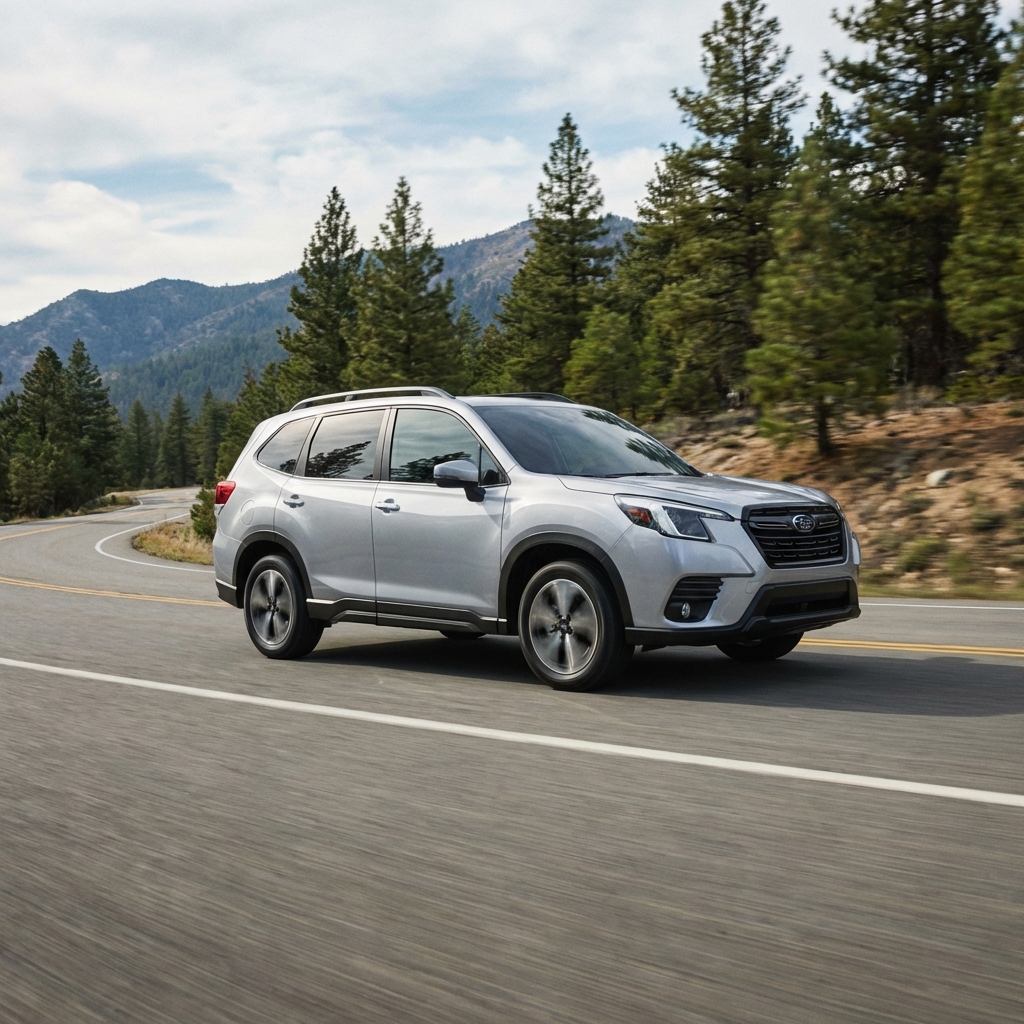
1) Subaru Forester
Best for: visibility, simple daily comfort, and “just works” practicality.
The Forester stays popular because it nails the boring-but-important stuff: good outward visibility, a roomy cabin, easy entry/exit, and a ride that feels calm on rough roads. The trade-off is power—its 2.5-liter four-cylinder can feel underpowered at times, especially when you’re loaded up or merging aggressively.
CRWatchdog takeaway
- If you value comfort, visibility, and “no drama,” this is a top-tier shortlist vehicle.
- If you want sporty acceleration, this isn’t the vibe.
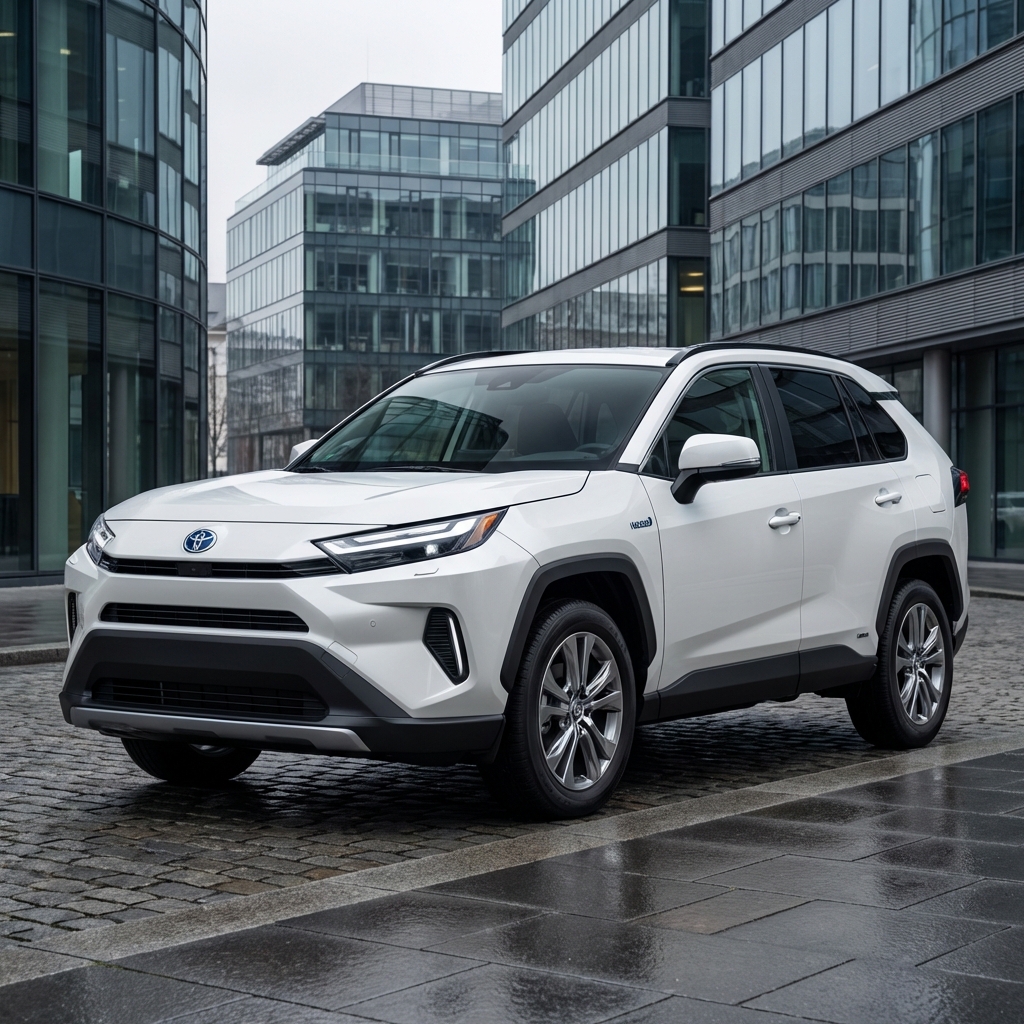
2) Toyota RAV4
Best for: shoppers who want a mainstream SUV with a strong track record and lots of available variants.
The RAV4’s popularity makes sense: it’s one of the most cross-shopped compact SUVs in America. Consumer Reports notes the outgoing model’s strong acceleration and capable handling, but also calls out a stiff ride and a noisy engine. The bigger headline is the shift for the new generation: the redesigned RAV4 is hybrid-only and plug-in-hybrid (PHEV) only when it goes on sale in early 2026, with updated tech and safety.
CRWatchdog takeaway
- If you’re planning to buy in 2026, make sure you’re comparing the right generation (outgoing vs redesigned).
- Expect “hybrid-only” to affect pricing, availability, and test-drive impressions.
3) Subaru Outback
Best for: people who want SUV practicality with a wagon-like footprint—and like the Subaru “adventure” formula.
The Outback has evolved into something closer to a full SUV. The redesign adds space and headroom, and Subaru is leaning into easier-to-use controls (more physical buttons/knobs, fewer touchscreen-only functions). Consumer Reports highlights upgraded safety features, including a system that can pull the vehicle over if the driver is unresponsive.
CRWatchdog takeaway
- This is a great pick if you want day-to-day comfort plus road-trip utility without jumping to a big 3-row.
- Pay attention to engine choice: the standard four-cylinder is fine for calm driving, while the turbo models are for people who actually care about power.
4) Subaru Forester Hybrid
Best for: Forester fans who want better fuel economy and a smoother, quieter feel.
Consumer Reports notes the hybrid improves both fuel economy and the “first few seconds” driving experience—hybrids often feel nicer at low speeds because electric assist makes takeoff smoother. It’s also typically quieter in stop-and-go driving.
CRWatchdog takeaway
- If you’re already leaning Forester, the hybrid is often the “grown-up” choice—especially for commuting.
- Verify model-year availability and trims in your area; hybrid rollouts can vary.
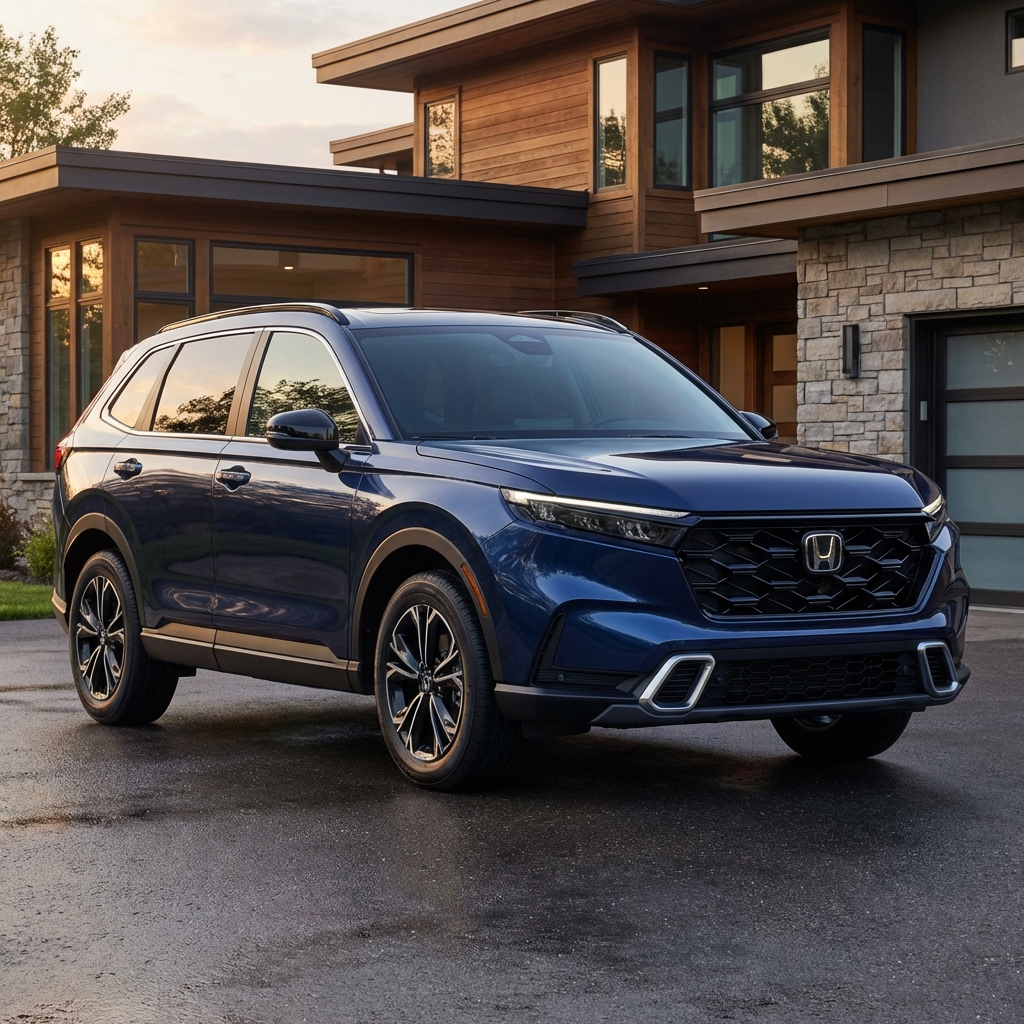
5) Honda CR-V
Best for: practical families who want a balanced compact SUV with easy controls.
The CR-V stays popular because it’s easy to live with: roomy rear seat, sensible cargo space, and user-friendly controls. Consumer Reports notes the 1.5-liter turbo + CVT combo can feel underpowered at times, and fuel economy can vary versus expectations.
CRWatchdog takeaway
- If you want “no learning curve,” this is one of the best mainstream choices.
- If you’re sensitive to engine noise or want punchier acceleration, test-drive carefully.
6) Mazda CX-5
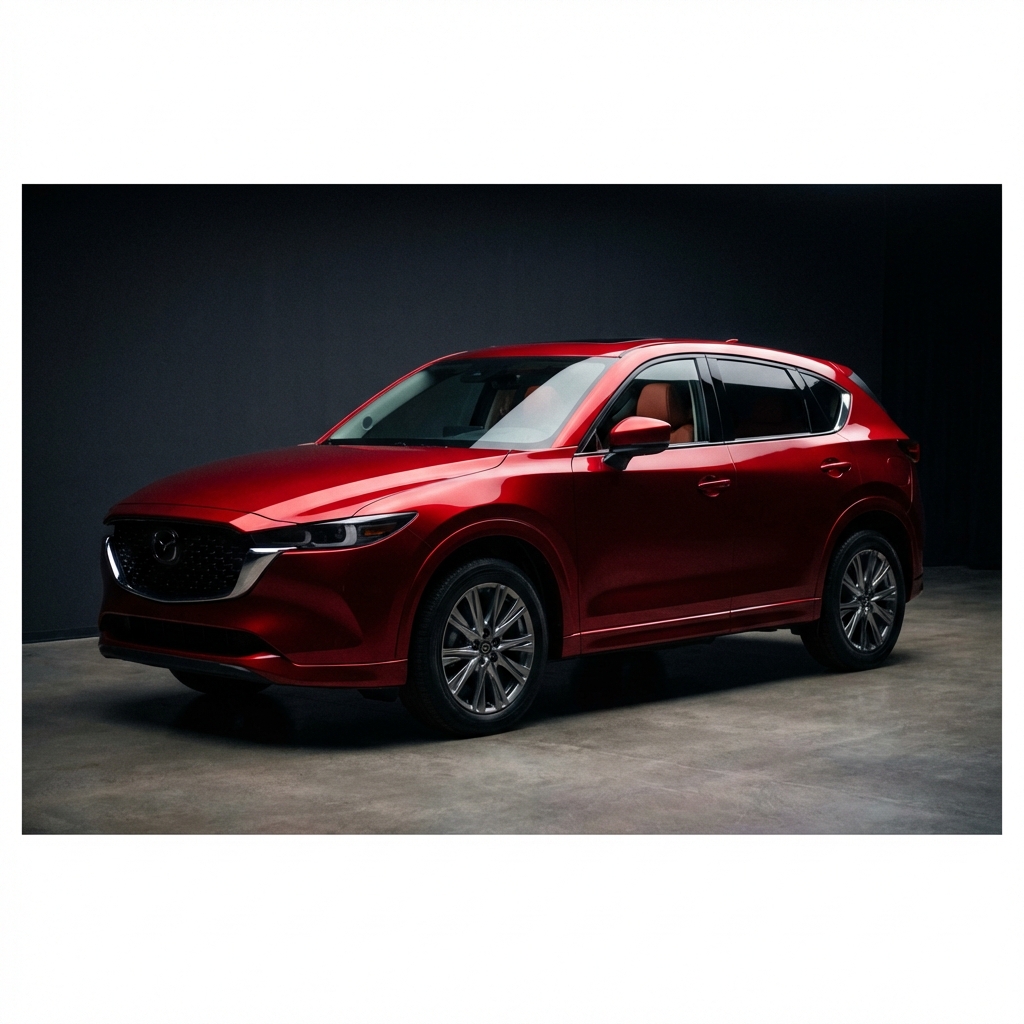
Best for: shoppers who care about how a small SUV drives and feels inside.
The CX-5’s popularity is partly emotional: it feels more upscale than many compact SUVs, with sharper handling and a quieter cabin. Consumer Reports mentions a learning curve with infotainment, and notes a redesign for 2026 that aims to add interior room while keeping the core formula.
CRWatchdog takeaway
- If “driving feel” matters, this belongs on your shortlist.
- If you want maximum cargo and rear-seat space, compare it against CR-V/RAV4 directly.
7) Subaru Crosstrek
Best for: shoppers who want a smaller footprint, standard AWD, and a practical “everyday adventure” package.
The Crosstrek is basically the “do it all” subcompact SUV for people who don’t want a big vehicle. Consumer Reports highlights updates for 2026, including a stronger standard engine versus older versions, and notes an available hybrid.
CRWatchdog takeaway
- Great pick if you drive in bad weather and want a smaller vehicle.
- Make sure you’re happy with cargo space—it’s good for the class but not “family hauler” big.
8) Toyota Highlander
Best for: families who want a midsize SUV with available 3-row seating (with realistic expectations).
The Highlander is a common “family upgrade” vehicle. Consumer Reports notes a comfortable ride and secure handling, but also points out the third row is tight compared with some competitors, and the infotainment system may not be as user-friendly as it looks.
CRWatchdog takeaway
- If you need the third row often, shop it against bigger 3-rows and actually sit back there.
- If you need the third row sometimes, Highlander can be a great compromise.
9) Honda CR-V Hybrid
Best for: people who want CR-V practicality with better efficiency and stronger everyday “oomph.”
Consumer Reports describes the hybrid powertrain as responsive and appreciates that it mimics traditional upshifts (many drivers prefer that feel). You still get the CR-V’s roomy rear seat and sensible cargo shape.
CRWatchdog takeaway
- If you drive a lot of city miles, the hybrid version is worth prioritizing.
- Hybrid trims can sell fast—availability matters as much as specs.
10) Nissan Rogue
Best for: shoppers who want a roomy compact SUV with easy access and a composed ride.
Consumer Reports calls out the Rogue’s generous interior space and especially easy rear-seat access (including a wide door opening). It also notes a plug-in-hybrid version arriving in 2026.
CRWatchdog takeaway
- If you’re comparing compact SUVs and rear-seat access matters (car seats, grandparents), this is worth a close look.
- Watch for model-year naming: Nissan currently lists this as “2026.5” on its site.
11–20 most popular models (still worth your attention)
Consumer Reports also lists the next 10 vehicles that shoppers research heavily. These aren’t “second-tier”—they’re just slightly less clicked than the top 10.
11) Honda Pilot
12) Toyota Highlander Hybrid
13) Toyota 4Runner
14) Chevrolet Equinox
15) Ford F-150
16) Toyota Tacoma
17) BMW X5
18) Toyota Camry
19) Honda Passport
20) Hyundai Tucson
How to use this list when you’re actually shopping
Popularity is a starting point. Here’s how to turn it into a smarter decision:
-
Pick your size first.
Compact SUV? Midsize with a third row? Truck? Your shortlist changes immediately. -
Decide your “must-haves.”
Examples: AWD, hybrid, real third row, towing, easy car-seat access, simple controls. -
Test-drive your top 3 back-to-back.
Don’t rely on specs. Ride quality, seat comfort, and controls are where buyers regret decisions. -
Check your local availability early.
Hybrid and popular trims can be hard to find. If availability is tight, you may need to broaden your shortlist.
FAQ
Is “most popular on Consumer Reports” the same as “best”?
No. It’s “most researched.” It’s useful because it reflects shopper interest, but you still need to match the vehicle to your needs.
Why are there so many compact SUVs here?
Because they fit the widest range of buyers: manageable size, decent cargo, family-friendly rear seats, and better fuel economy than larger SUVs.
Should I prioritize hybrid versions?
If you do a lot of city driving or stop-and-go commuting, hybrids often feel smoother and save fuel. If most of your driving is highway and you don’t keep cars long, the math can be less compelling.
For more consumer-focused guides, visit Best TVs of 2026 According to Consumer Reports.